Often overlooked or dismissed as a minor annoyance, leaking taps can be surprisingly hard to detect and can have significant consequences, not just for your household but also for the environment.
Leaking taps might not seem like a big deal at first glance, but their impact on the environment is substantial. According to recent studies, one slowly dripping tap can waste more than a bucket of water a week. Imagine that multiplied across households in Brisbane alone. It’s a major amount of water being wasted needlessly, putting strain on our precious water resources and ecosystems.
But the repercussions extend beyond environmental concerns; they hit closer to home with your household budget. Have you noticed your water bills creeping up lately? Leaking taps could be why. A visibly leaking toilet, for instance, can waste up to 18 buckets of water a day or 70 days of drinking water for one person*. That’s water you’re paying for but not benefiting from, essentially pouring your hard-earned money down the drain.
Fixing a leaking tap or toilet could save you hundreds of dollars each year on your water bill; that’s money you could be spending on a nice dinner out, a weekend getaway, or even investing in your home. And you will not only save money, but you will also help conserve our precious water resources.
So keep an eye out for signs of leaks in your home, such as damp patches, mould growth, or unexplained increases in water usage. And don’t forget to check your water meter readings regularly to catch any leaks early on.
For more information on detecting and fixing leaks, check out these resources:
At Plumbaround, we understand the importance of water conservation and the financial strain that leaking taps can cause. That’s why we’re here to help. Whether it’s fixing a dripping tap, repairing a leaking toilet, or conducting a comprehensive water audit for your home, our team of expert plumbers is dedicated to providing efficient and effective solutions.
Let’s not pour our money down the drain! Contact us at 07 3038 1038 or [email protected] if you need help.
Australia’s rainy season is upon us, bringing a few plumbing challenges. In this blog, we’ll explore key issues, offer solutions, delve into average repair costs, and provide essential tips for a hassle-free rainy season.
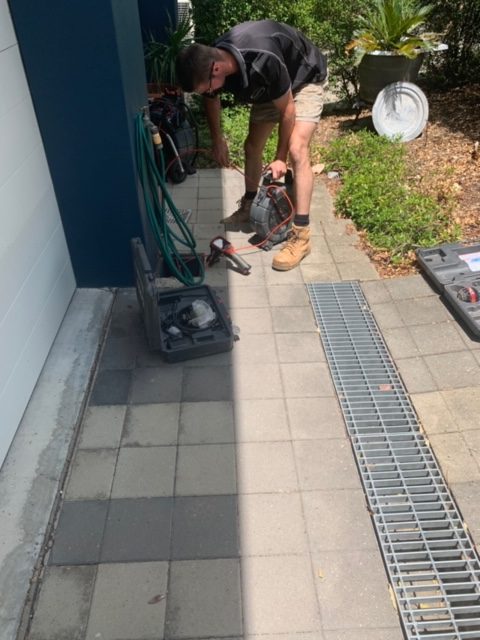
Blocked Drains: With heavy rain, drains can quickly clog with leaves and debris. Keep an eye on slow drainage, and routinely clear outdoor drains. This simple practice can prevent blockages and ensure smooth water flow during downpours. If you notice overflowing drains, you could have a blockage and may need to get the cameras down there and hydrojet out any built-up debris.
Overflowing Gutters: Properly functioning gutters are crucial during heavy rains. Clear them of debris regularly to prevent water overflow that can damage your home’s foundation. Extend downspouts to direct water away from the foundation, and consider installing gutter guards to reduce debris buildup. If left unattended, the average cost for overflowing gutter repair is approximately $450. Investing in gutter maintenance not only protects your home but also saves you money in the long run.
Sewer Backups: Excessive rain can strain sewer systems, leading to backups. Listen for gurgling sounds in drains and address issues promptly. Regularly schedule professional inspections and consider preventive measures, such as sewer line cleaning. The average cost for sewer backup work ranges from $1000 to $5000, emphasising the importance of proactive maintenance. Understanding your home’s sewer system and acting swiftly can save you from significant disruptions and hefty repair bills.
Leaky Roof Troubles: heavy winds can expose roof leaks, causing potential water damage. Regularly inspect your ceiling for water stains or drips during and after heavy rain. Maintain roof integrity by replacing damaged shingles promptly. The average cost for roof leak repairs varies but can be around $300 to $1500. Timely attention to roof issues not only preserves your home’s interior but also safeguards against more extensive and expensive repairs.
Sump Pump Concerns: A reliable sump pump is essential to prevent flooding during heavy rain. Test your pump before the rainy season, ensure proper drainage, and consider a battery backup for power outages. There are two main types of sump pumps: pedestal pumps (average cost $100 – $200) and submersible pumps (average cost $150 – $400). Understanding these costs can help you budget for potential replacements or repairs. Additionally, installing a sump pump alarm alerts you to any malfunctions, providing an extra layer of protection. Properly maintained sump pumps ensure your home stays dry and secure during the rainy season.
Hydrojet away any built-up debris!
As you gear up to face the challenges of the rainy season, remember that a proactive approach can save you from significant plumbing headaches. Regular maintenance, quick responses to issues, and understanding potential costs are key to keeping your home dry and secure. If you ever find yourself in need of professional assistance or want hassle-free solutions to your plumbing concerns, reach out to us at 07 3038 1038.
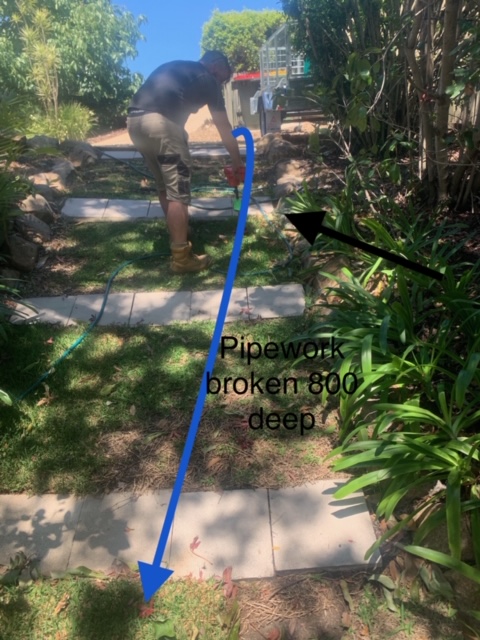
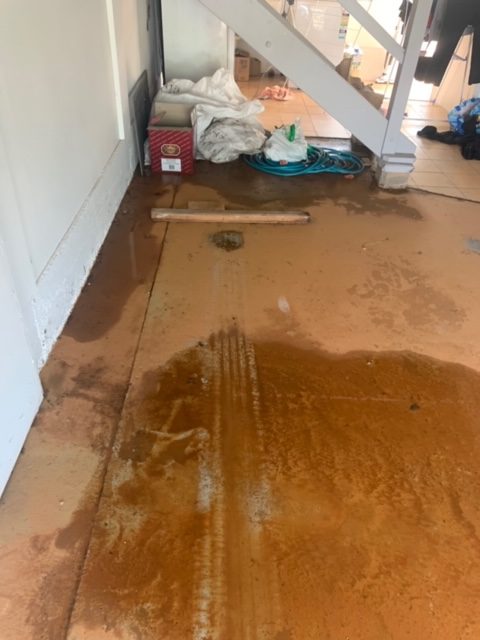
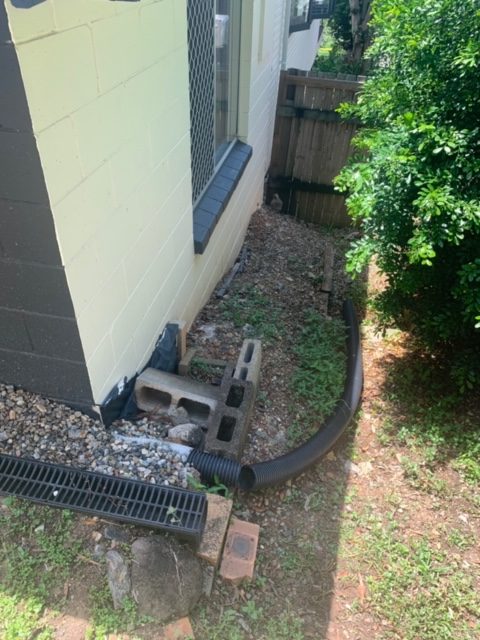
We have recently attended a property in North Brisbane where the owner thought the sewerage from the drain was causing a wet patch in the grassed area of their property.
Upon investigation we found it was a leaking tap that was undetected and was dripping into the down pipes and leaking below the ground into the stormwater line.
We serviced the tap, cleaned the line, camera’d the line & located the issue.
The Result …
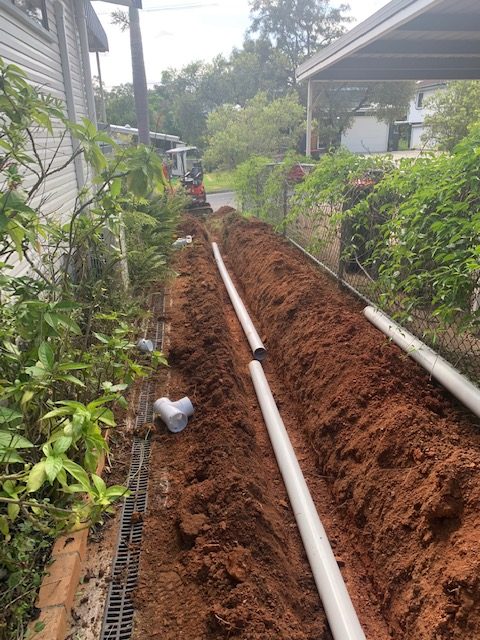
The stormwater pipe is repaired and is now flowing freely. The owners will now be ready for storm season & free of a flooding emergency when the rain hits this year.
If you are currently experiencing or previously had overflowing stormwater or sewerage pipe work and flooding on the property and you want to avoid an emergency,
book an inspection with the Plumbaround team today.
A slightly different looking hot water system sitting half in the wall!
No hot water! There is nothing worse than having your hot water system burst and leak everywhere. And also not having any hot water because of it!
Check out this existing hot water system replacement we have just attended too! The previous hot water system was sitting half in the wall, not really something you see too often and not something that is up to the Australian Standards in Plumbing and Drainage these days!!
The tenant was lucky to notice the leaking water from the hot water system so quickly as to avoid damage to the property, especially in behind the walls.
Of course when we supplied and installed a new hot water system to the property, we upgraded it to comply with the Australian Plumbing and Drainage Standards. It’s a shame we didn’t have any spare brick work on hand to patch up the hole in the wall. Might be a little job down the track for the handyman.
The new hot water system now complying with the Australian Plumbing Standards.
Help is only a phone call away when you are in need of hot water today. Day or night, we are happy to answer your calls and attend to any situation.
We also enjoy coming across plumbing that is a little different, just like the above hot water system. If you have seen something a little quirky please let us know about it or send us a pic!